Systematic Concept Evaluation and Experimental
Validation of a Portable Condition Monitoring Device
Background. Unplanned stoppages in cableway roller systems cause significant
financial losses and material waste in manufacturing environments like NKT in
Karlskrona. Current maintenance strategies are mostly reactive or rely on manual
inspections, creating a need for practical predictive maintenance solutions.
Objectives. The objectives of the thesis are to firstly evaluate different predictive
maintenance concepts for cableway rollers systematically. Secondly, following this
evaluation, to empirically validate the diagnostic capabilities of the most suitable
solution through physical testing.
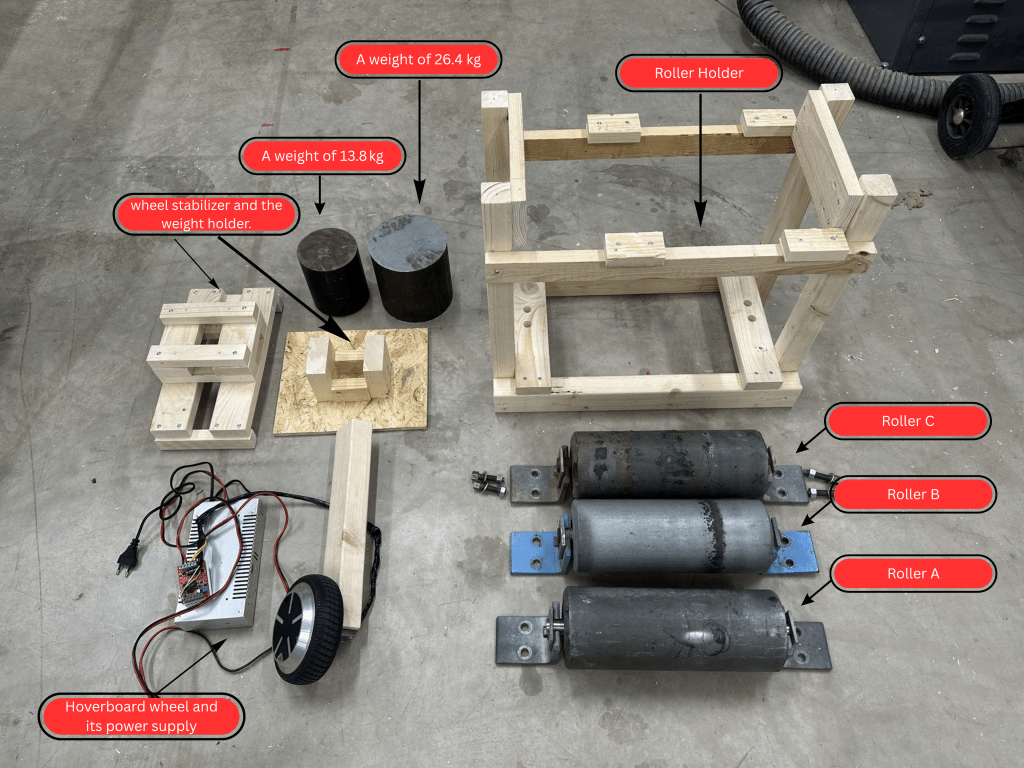
Methods. The method for the thesis work combines Design Science Research and
Design Thinking. Qualitative data from interviews and observations guided the
ideation of several concepts. These were evaluated using the Analytic Hierarchy
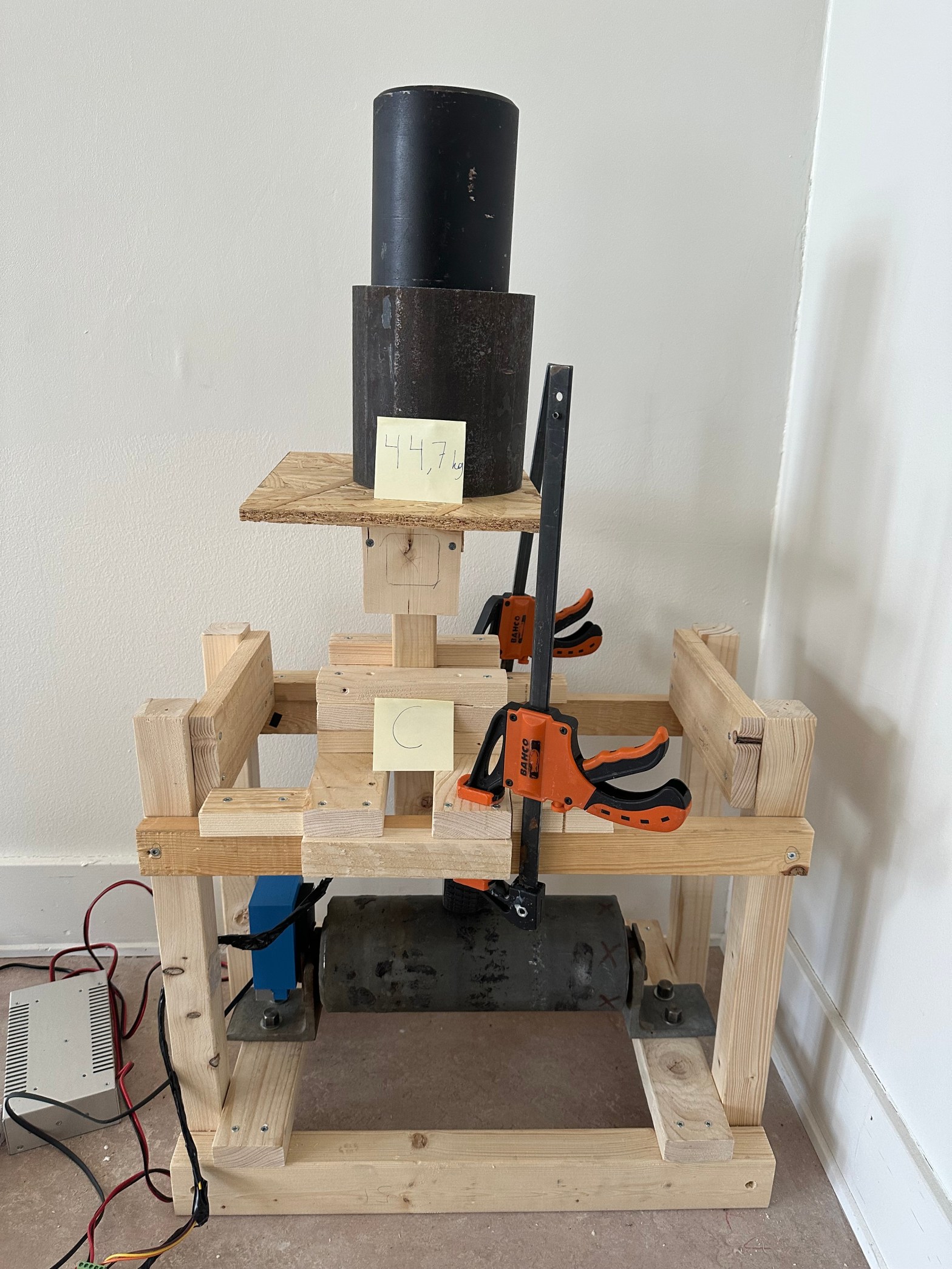
Process (AHP) and TOPSIS. Finally, the highest-ranked concept was prototyped
and validated on a custom test rig using healthy, degraded, and failed rollers
under different physical loads.
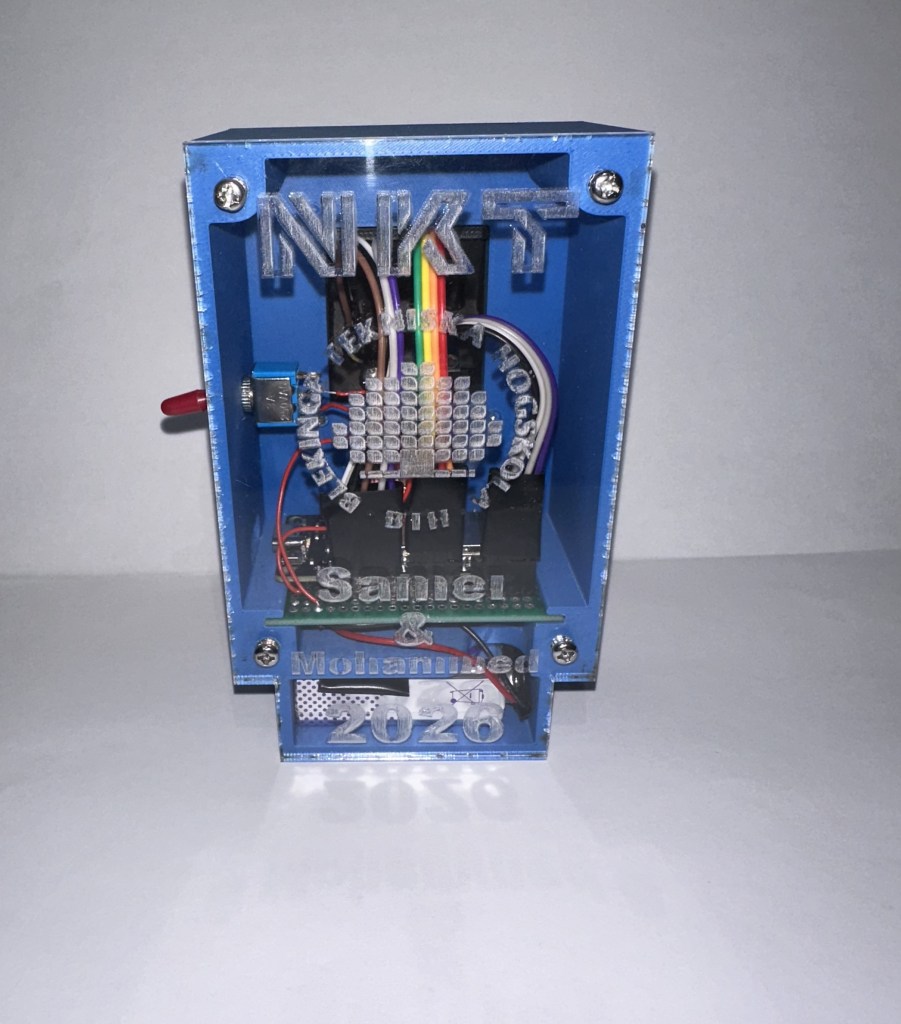
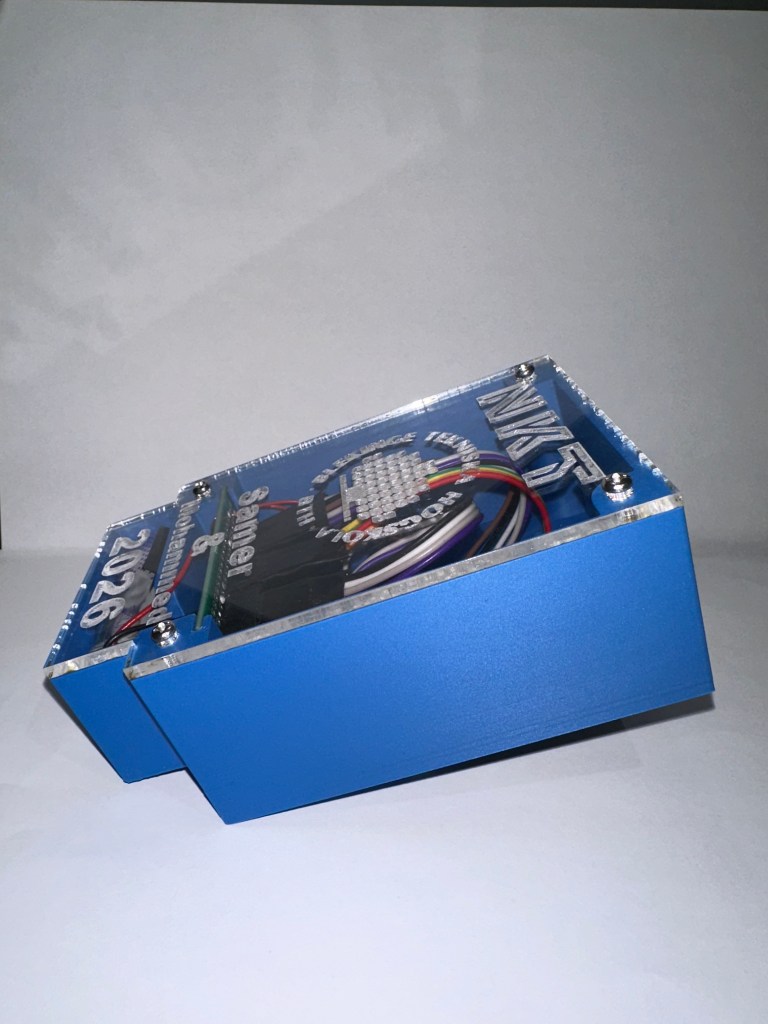
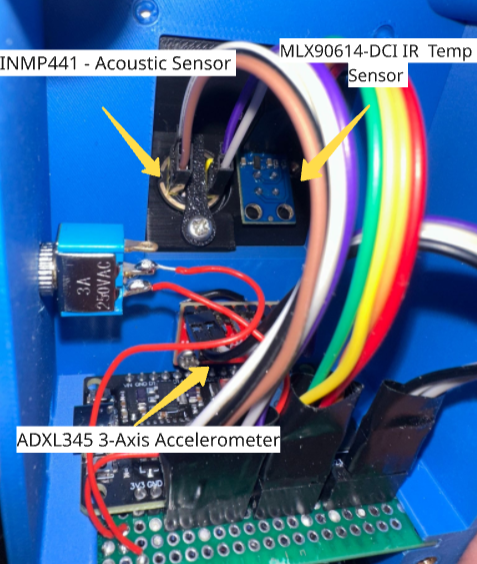
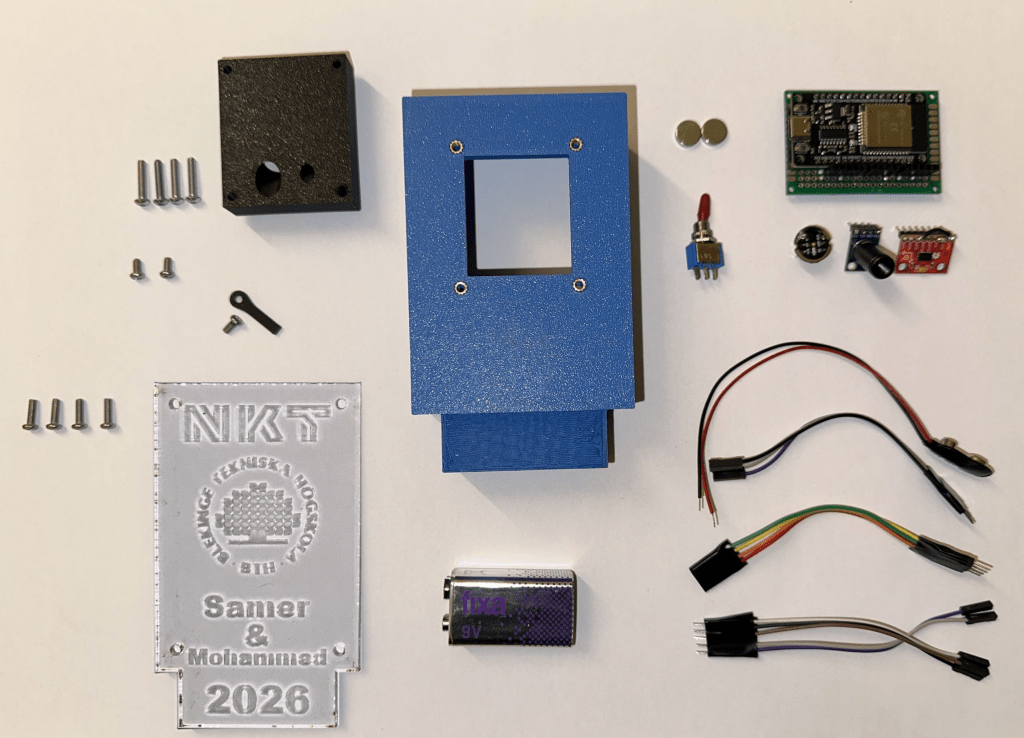
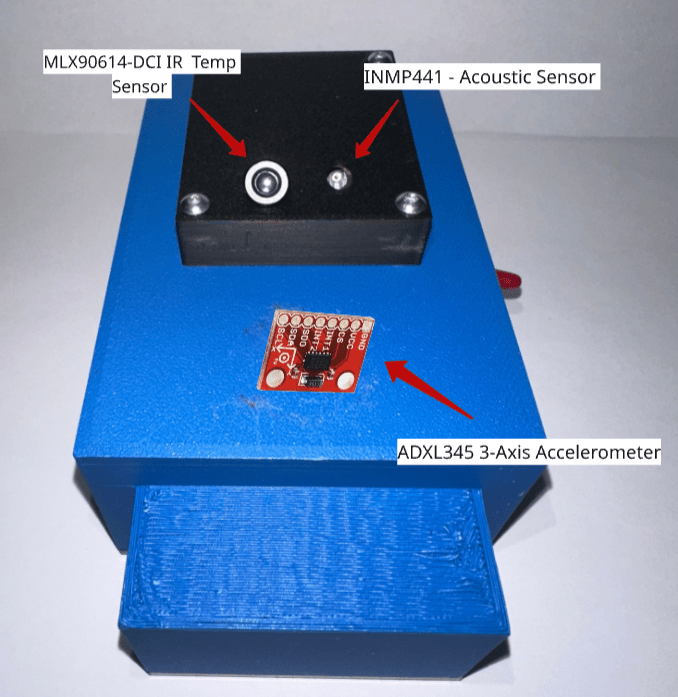
Results. From the AHP-TOPSIS evaluation, a Portable Condition Monitoring
Device was identified as the most suitable concept. The experimental tests
proved that the device successfully distinguished between the different roller
states. The fault manifestation was highly load-dependent; under a 44.7 kg load,
the failed roller produced a severe radial vibration peak of 1.4159 m/s2, compared
to 0.5071 m/s2 for the healthy roller. Concurrent temperature and acoustic measurements directly supported these findings.
Conclusions. By using a structured multi-criteria decision-making framework,
a suitable maintenance concept was selected without introducing unnecessary
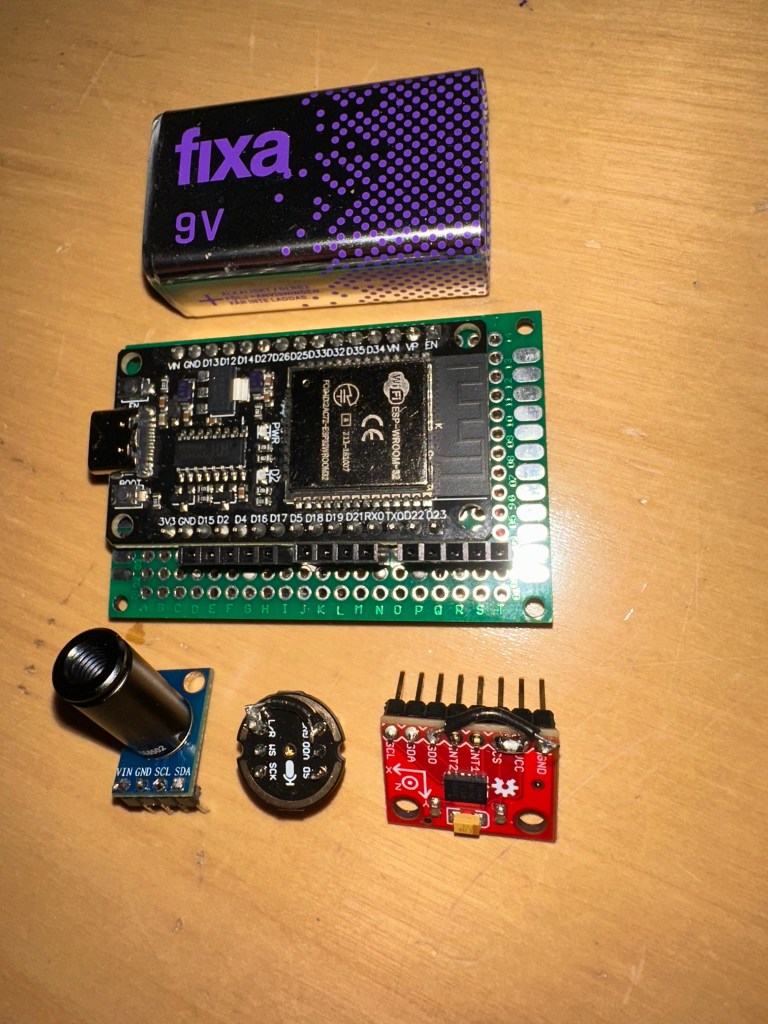
complexity. The validated multi-modal monitoring tool proves that combining
vibration, acoustic, and thermal data offers a reliable way to detect roller degradation
before a catastrophic breakdown occurs.
By Samer Alchami & Mohammed Omar EzEddin
Master thesis full text
In collaboration with