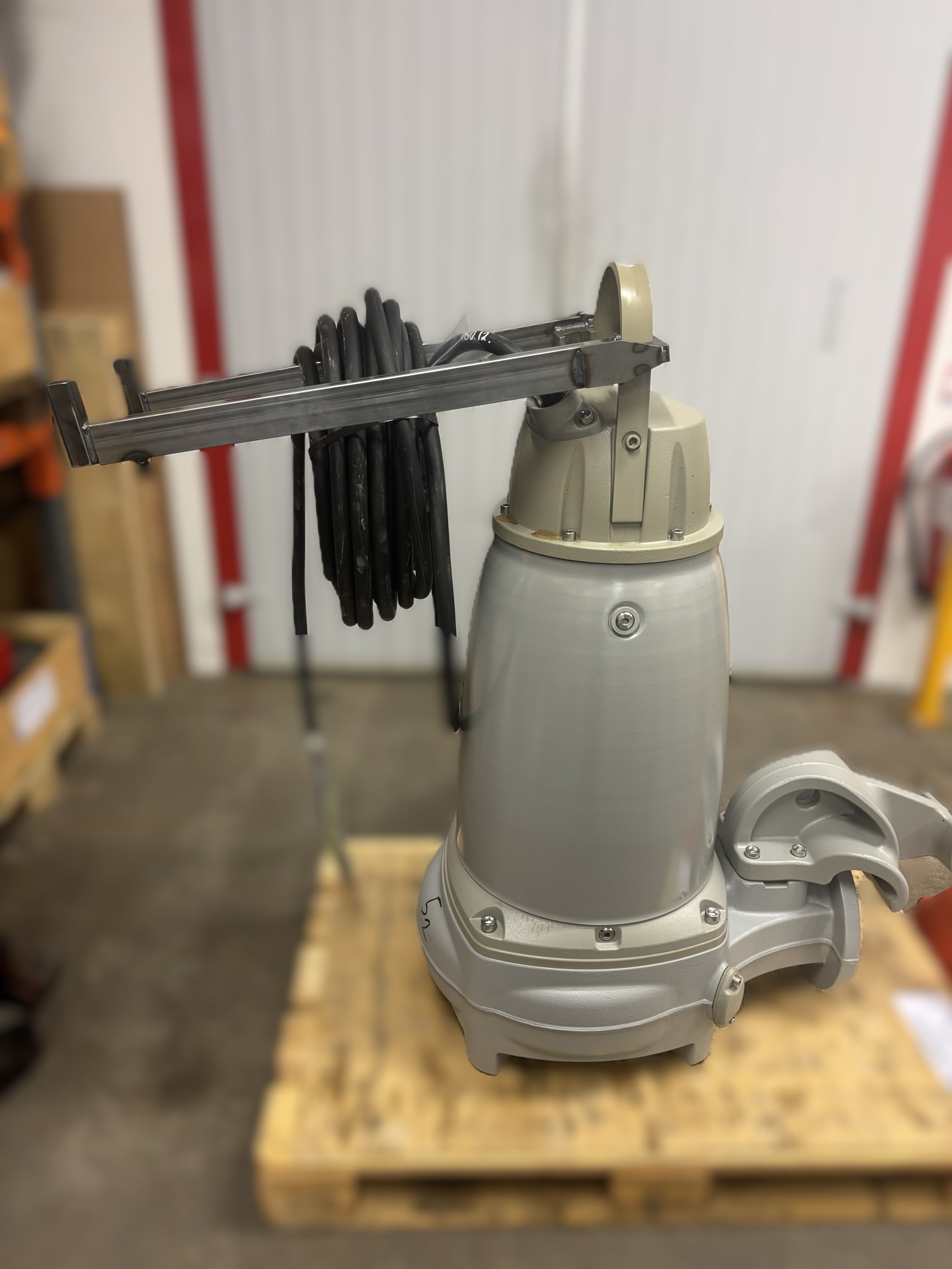
Cable Management During Transport within Production Facility
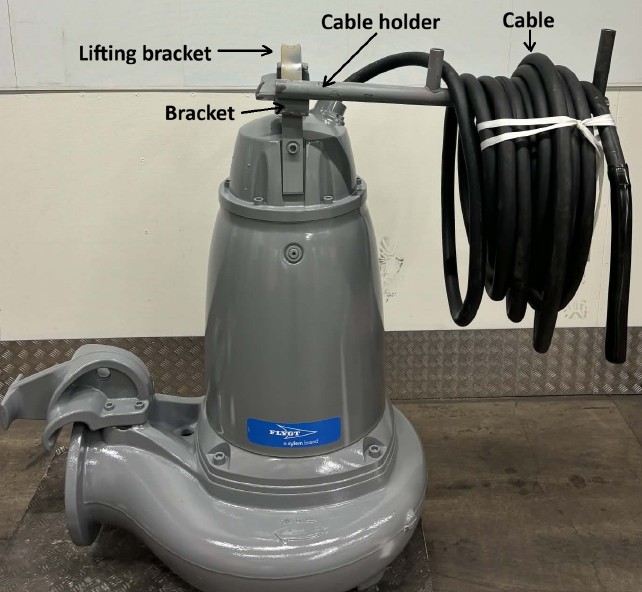
This thesis addresses the issue of transporting cables attached to a pump throughout the manufacturing process, from assembly to painting and packaging, with a solution suitable for a wide range of pumps with alternating sizes, shapes, weights, and suspension systems. In order to generate a fully functional cable carrier solution, the necessary steps of the product realization process will be included in the thesis, from idea to a manufactured prototype.
To achieve a satisfying solution, multiple factors will be considered to fulfill Xylem’s demands, for instance, weight, simplicity, cost, design of manufacture and generalization, where one cable carrier should be used for all pumps in the same department. To meet the demands, topology optimization will be the primary tool in this thesis, along with design science research and different concept generation methods, depending on the component of the solution.
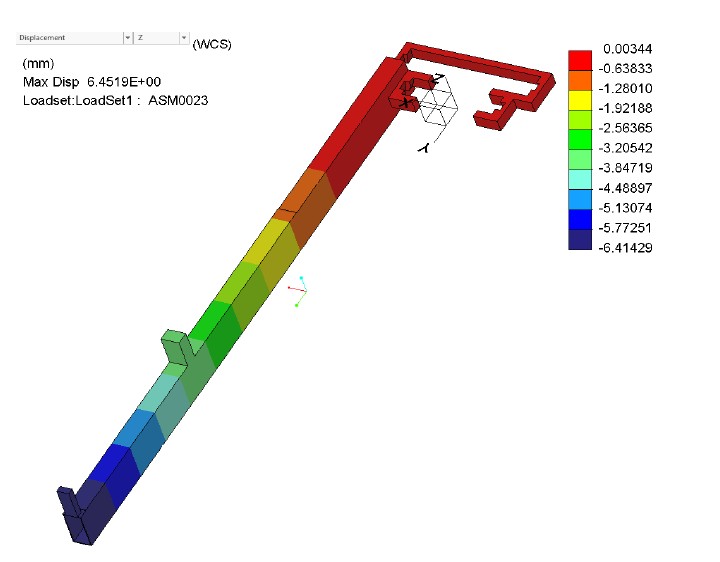
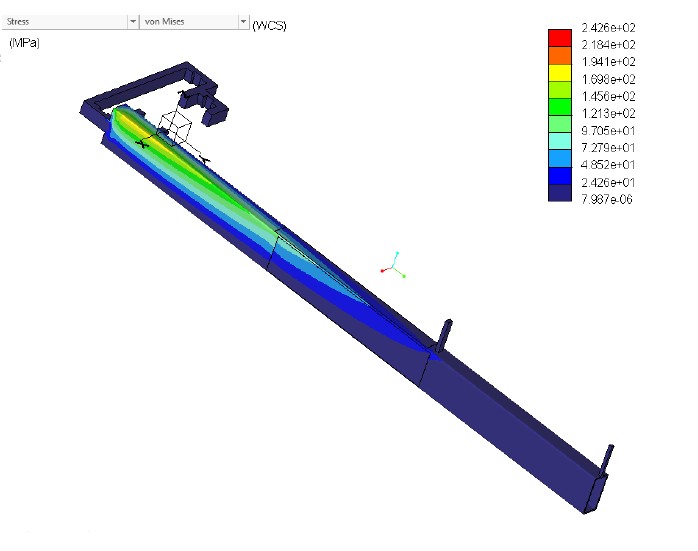
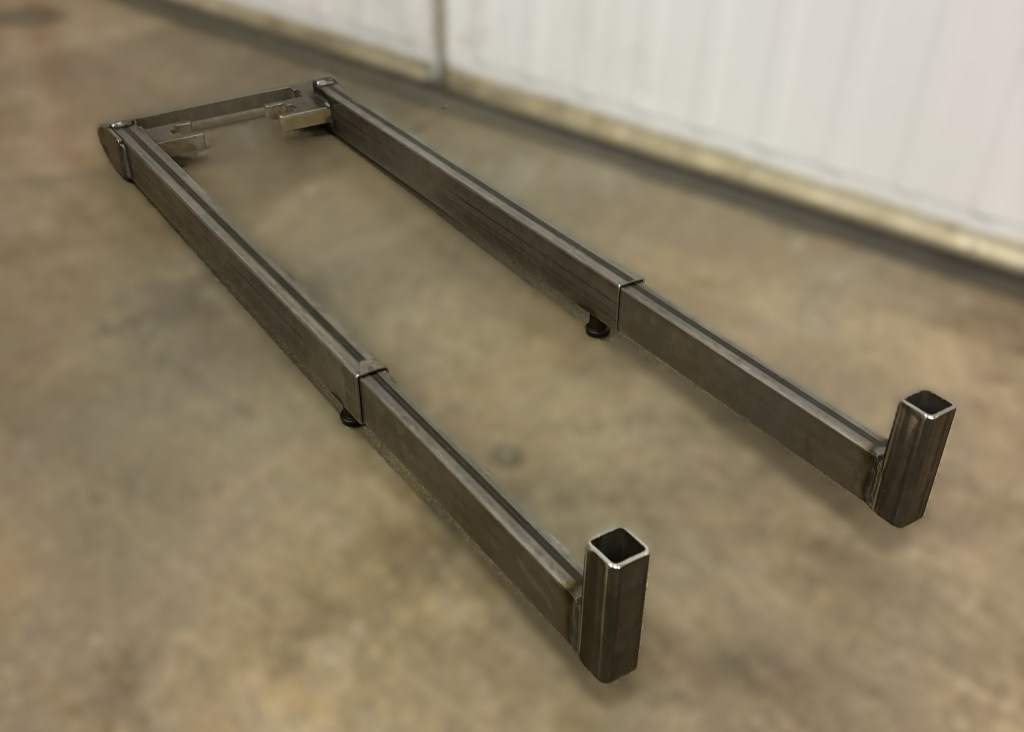
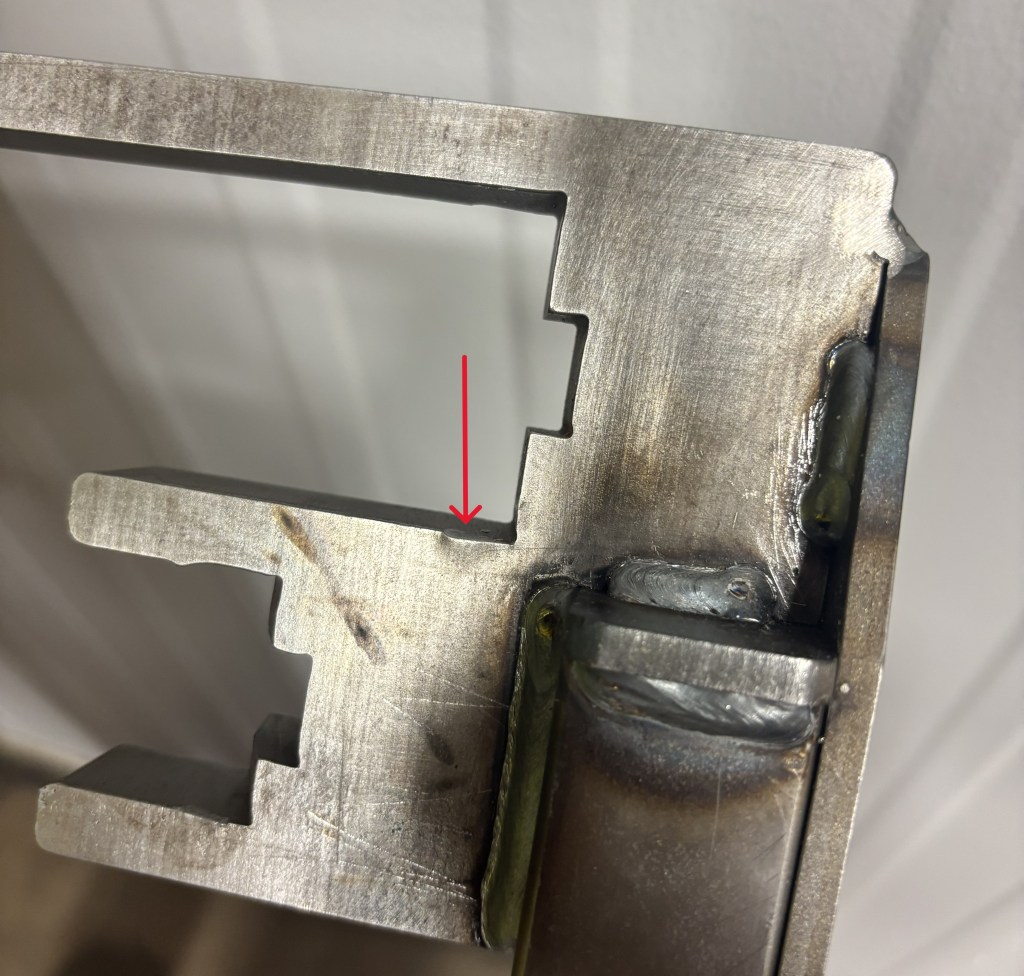
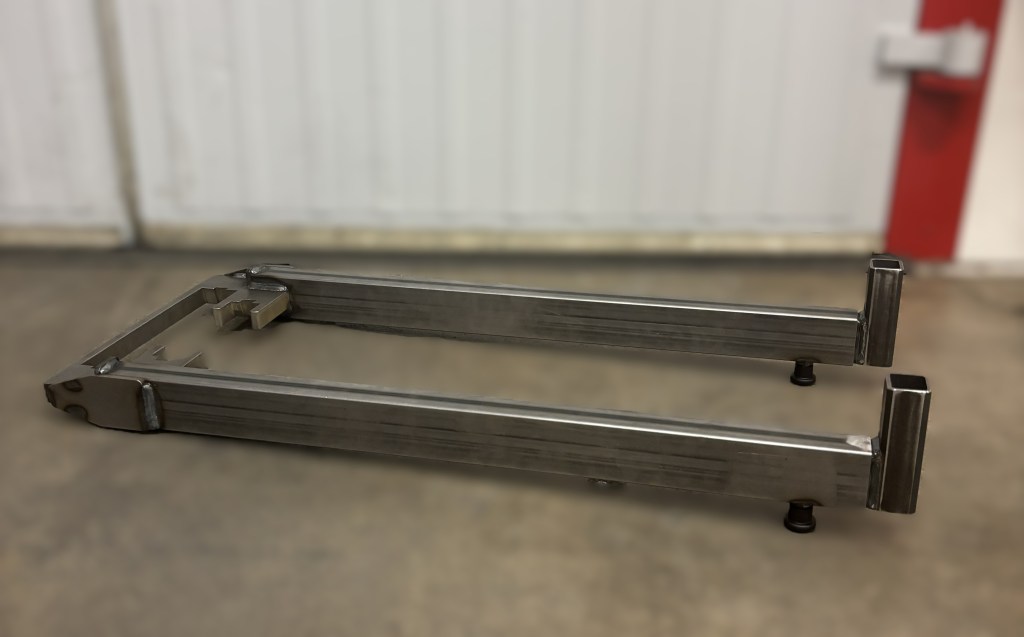
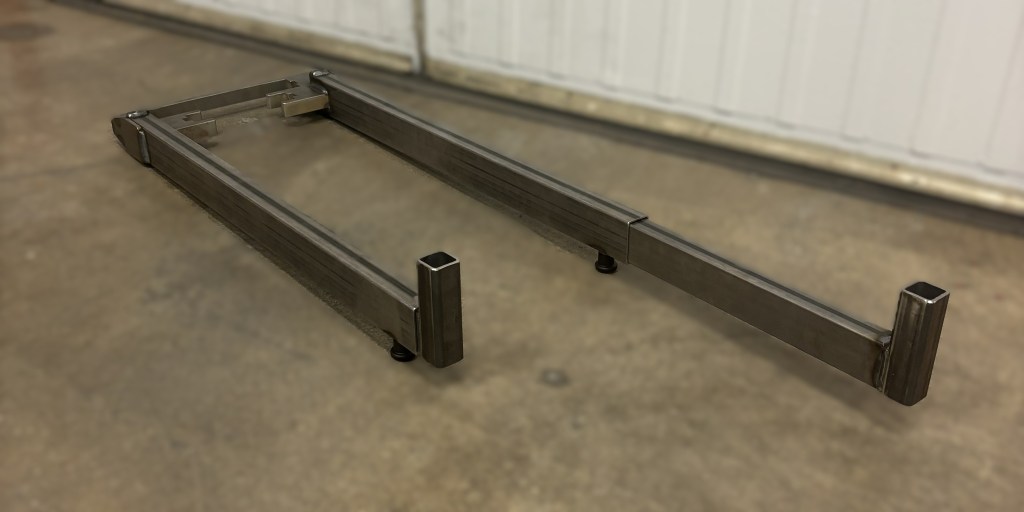
The final theoretical concept weighs just over 5 kg, mainly consisting of rectangular hollow sections with different attachments and various angles for mounting the cable holder onto the lifting bracket. The computational simulations and analytical calculations account for forces in both the horizontal and vertical directions. The difference between the finite element analysis and the analytical results is eligible, with the largest stress differences in the vertical direction. In the vertical case, peak stresses occur in the simulation model, with surrounding stresses similar to those in the analytical results.
To realize the final concept, some adjustments were made to the prototype model, resulting in a total weight of 7.6 kg and satisfactory stresses in both vertical and horizontal directions. The iterative process of topology optimization in this thesis revealed that, in structural engineering, solutions often tend toward traditional geometric solutions. While topology optimization has the potential to generate complex, weight-reduced shapes, the results of this study consistently pointed toward the efficiency of the rectangular hollow section. This convergence validates that traditional profiles are not merely conventions but are mathematically reliable structures for handling multi directional loads.
Ultimately, the most successful design is not the one that removes the most material, but the one that provides the highest structural safety and operational simplicity at the lowest total cost.
To summarize, the design process, in the end, comes down to cost, manufacturability, and overall profitability.
By Tobias Johansson
In collaboration with Xylem