Using an Ergometer in a Controlled Underwater Environment
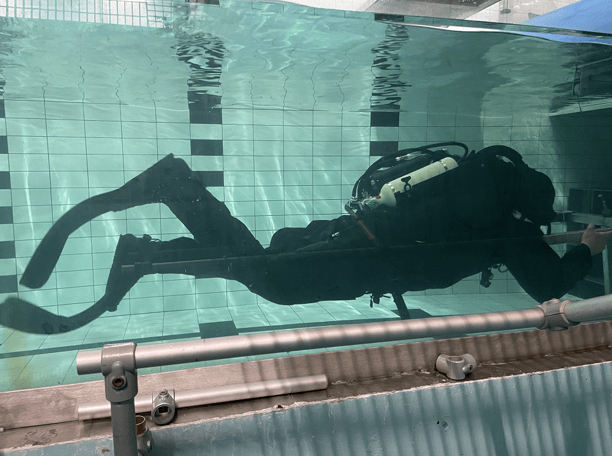
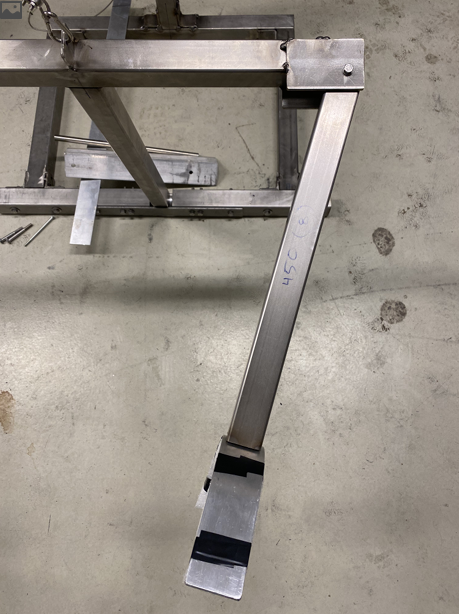
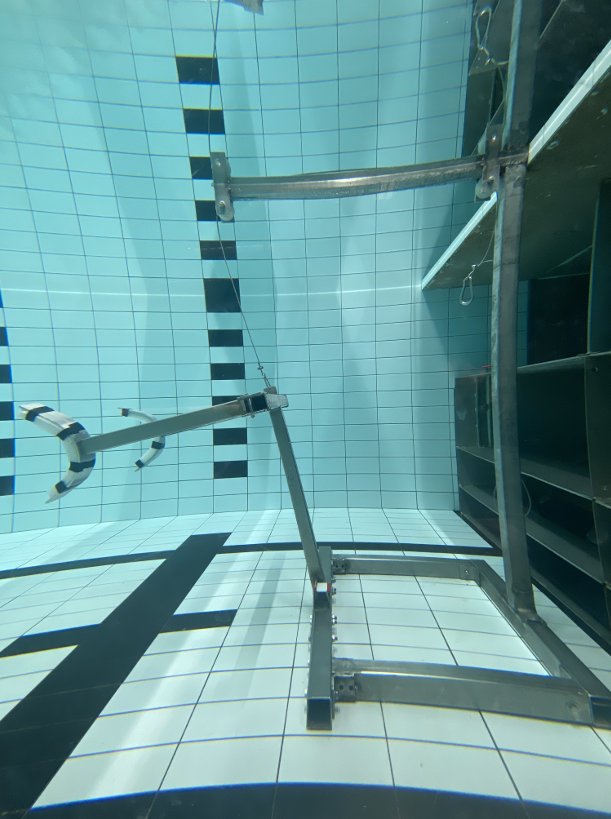
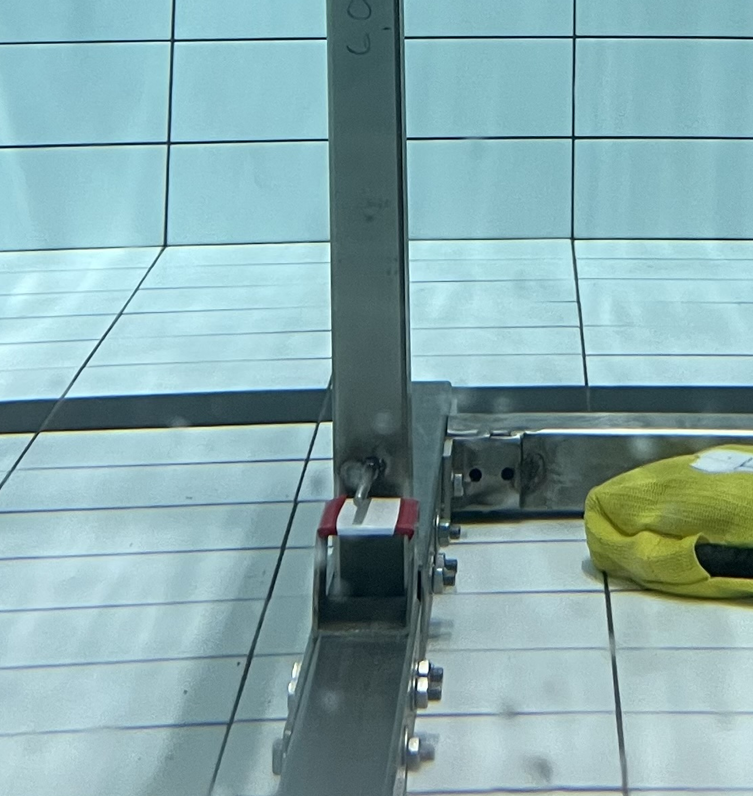
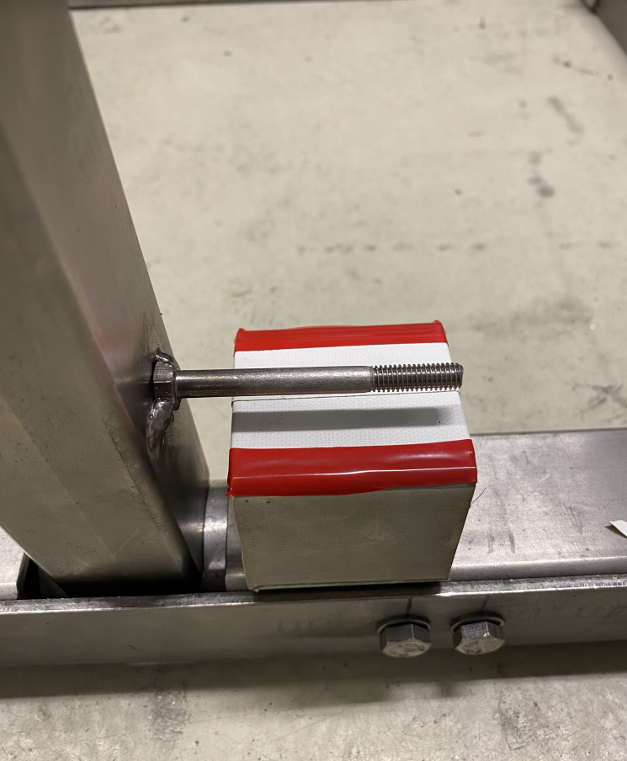
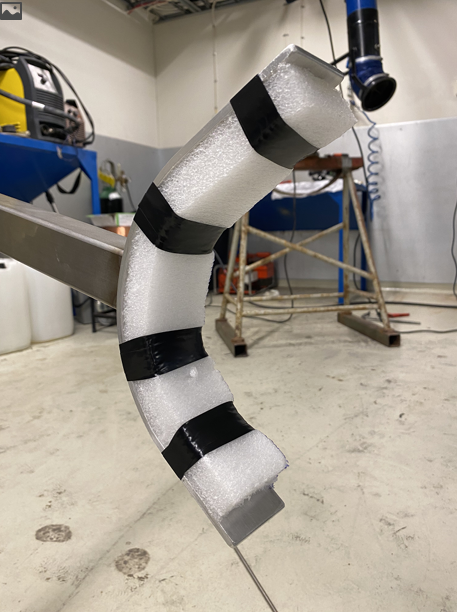
This thesis presents the development and validation of a weight-based ergometer system for assessing diver workload under controlled and realistic swimming conditions.
The aim was to design a test setup that enables divers to swim against adjustable
resistance levels corresponding to standardized workload intensities.
Understanding diver workload is essential for a wide range of applications in diving operations, including safety, performance evaluation and equipment development. One important aspect is the risk of decompression sickness (DCS).
Underlying physiological data were collected in a swim flume using controlled
water velocities representing workload levels from rest to heavy work. A weight-based ergometer system was subsequently constructed, and the measurements obtained in the swim flume were used to calibrate the ergometer to corresponding resistance levels. Validation was performed by comparing divers heart rate (HR) and oxygenconsumption (VO2) between tests done in a swim flume and the ergometer.
The results prove that the ergometer is capable of reproducing similar physiological workload responses to those observed in the swim flume, particularly at moderate intensity levels, where the agreement between systems was highest. Heart rate and oxygen consumption were identified as suitable parameters for estimating diver workload in controlled underwater tests.
Overall, the developed system demonstrates that hydrodynamic resistance can
be translated into a weight-based equivalent resistance, enabling standardized and
repeatable workload testing. This approach may contribute to improved understanding of diver physiology and support future development of safer diving procedures, development of Swedish diving tables and decompression models.
Student thesis
Ida Kjellsson & Josefine Silverstrand
Thanks to FM DNC