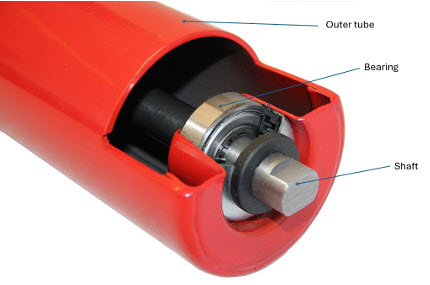
For industries utilizing conveyor systems, roller failure can result in reduced efficiency or even unplanned downtime. A typical conveyor roller consists of an outer tube, end caps at both ends, bearings housed within the end caps, and a throughgoing axle. In collaboration with NKT, this thesis investigates how outdoor conveyor rollers can be improved with respect to corrosion resistance, simplified maintenance, reduced weight, and sufficient structural performance, while also ensuring economic feasibility, manufacturability, and environmental sustainability. The project explores how rollers can be designed to perform reliably in outdoor environments under varying loads and how such designs can be optimized for large-scale manufacturing.
By Linnea Lindgren & Louise Lundh
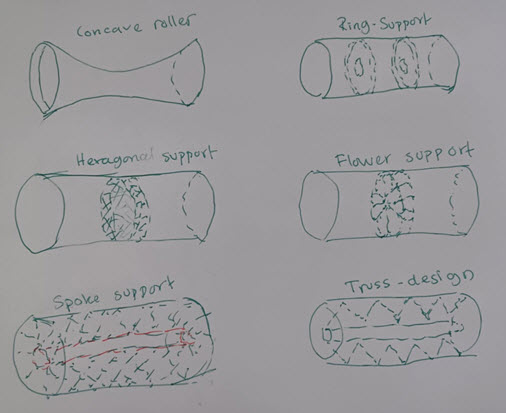
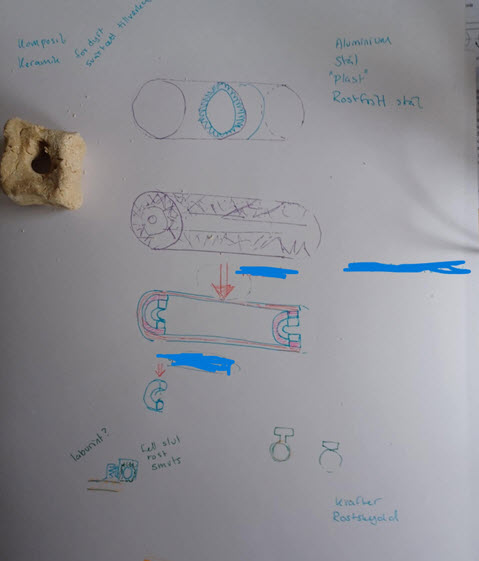
Idea generation of internal support, structure and different roller design
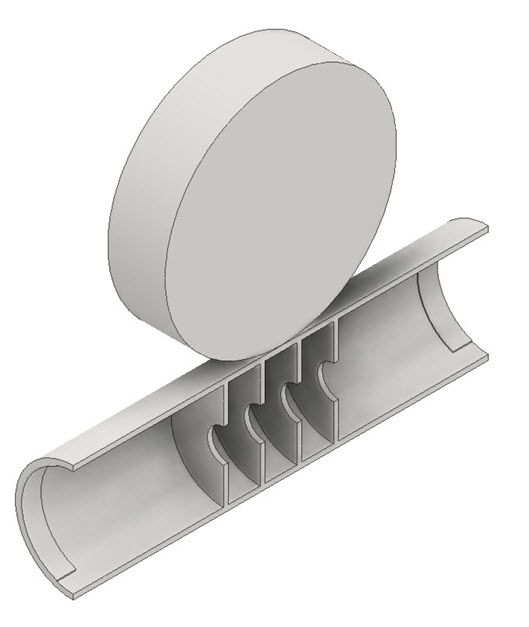
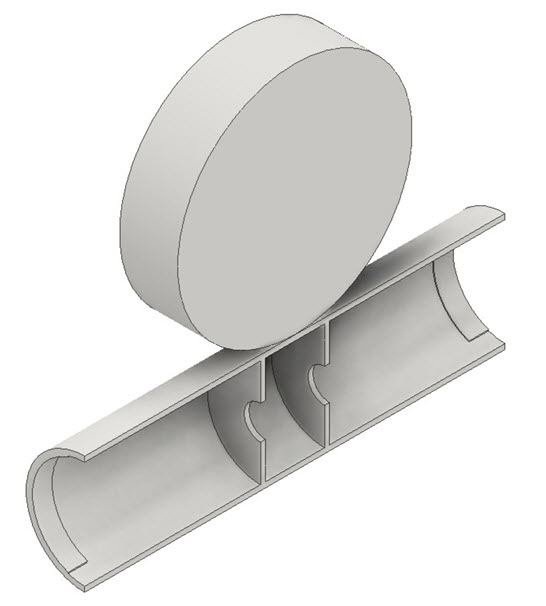
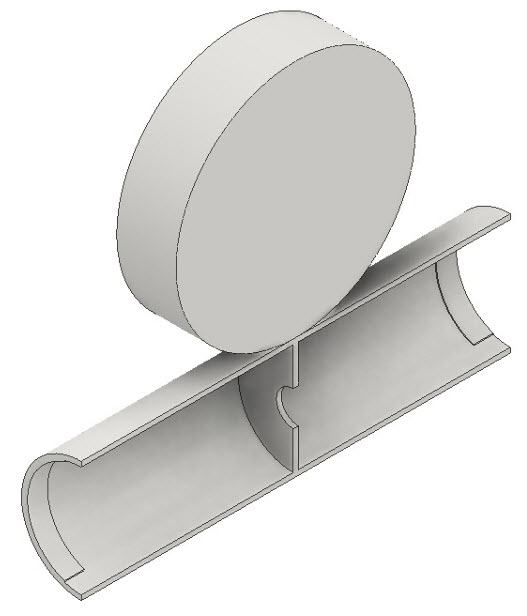
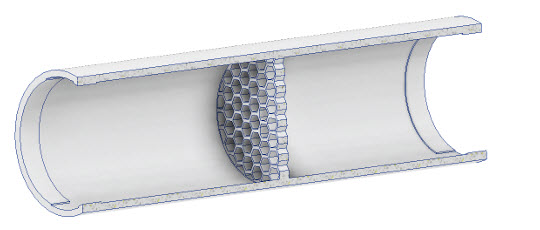
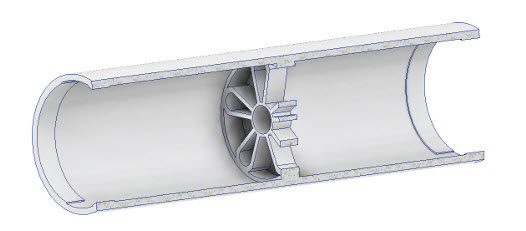
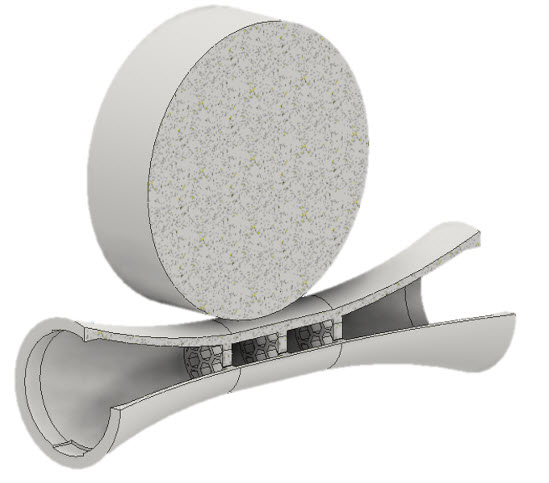
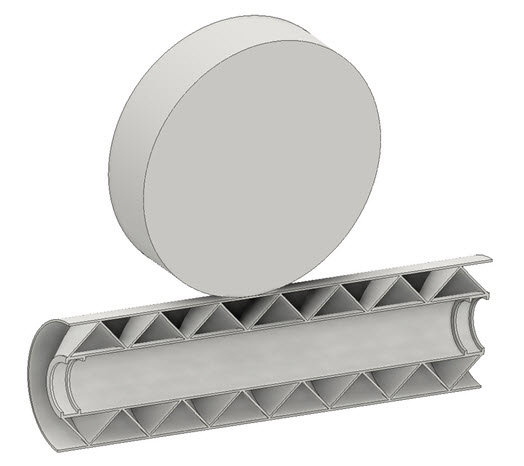
Several concepts involving internal tube reinforcements were tested
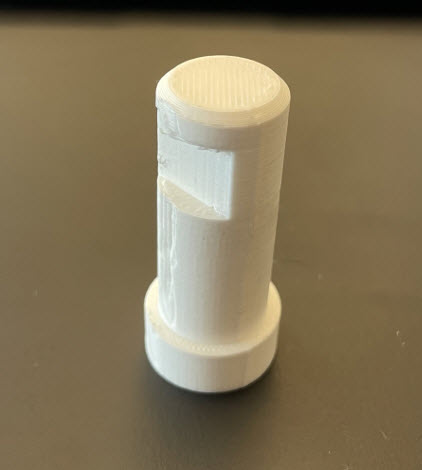
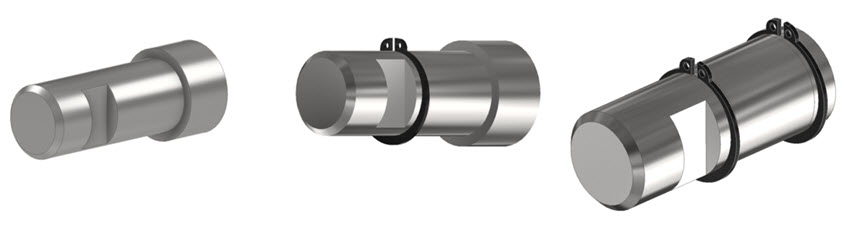
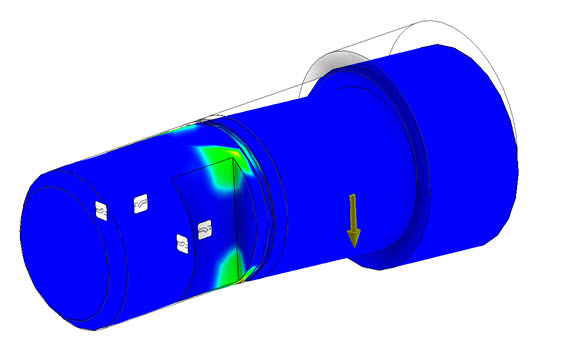
To reduce weight and improve corrosion resistance, a stub axle concept was developed.
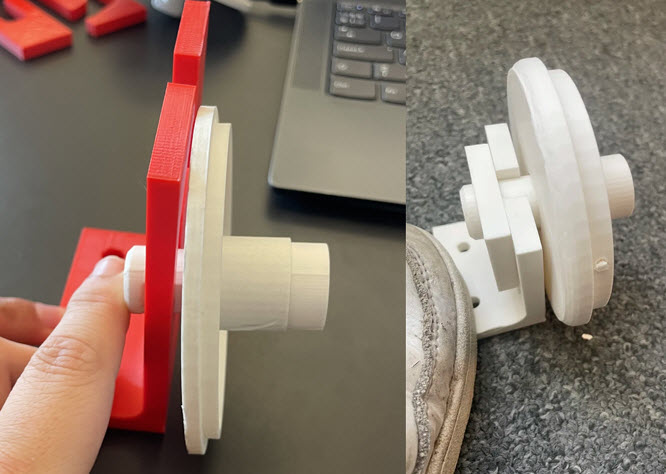
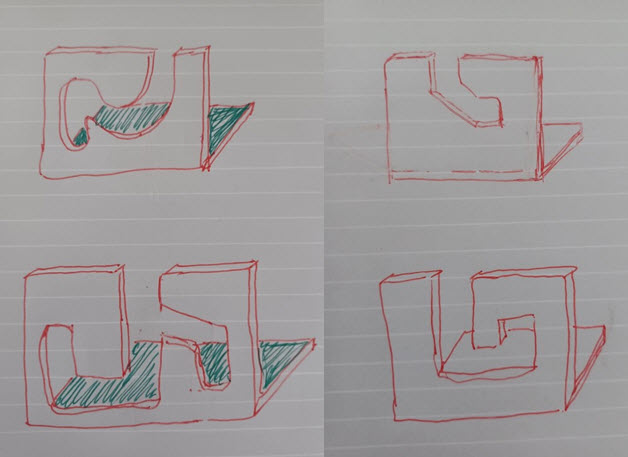
End cap was designed to provide structural support, enable easy assembly and ensure compatibility with the roller system
In collaboration with NKT