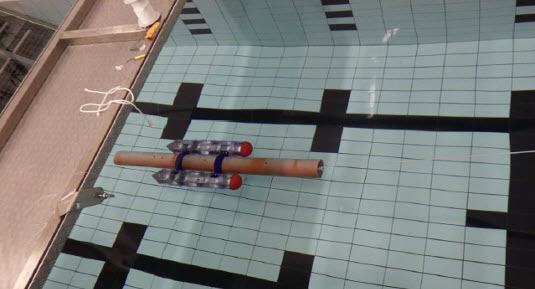
This thesis explores the design of a modular, passive attachment for small autonomous underwater vehicles (AUVs) aimed at enhancing their acoustic target strength for use in active sonar testing. Conducted in collaboration with FMV, the project addresses the limitations of current manually deployed sonar targets by proposing a cost-effective and reusable solution that preserves AUV’s ease of use and minimizes hydrodynamic drag.
A range of concepts were generated and evaluated based on acoustic reflectivity, drag, modularity, and manufacturability. Two concepts were prototyped, including air-filled resonating tubes and aluminum corner reflectors, and then tested in controlled sonar and hydrodynamic experiments. The corner reflector design, mounted with 3D-printed brackets and hydrodynamic end caps, demonstrated superior sonar visibility and acceptable drag levels, where CFD simulations supported and optimized these findings.
While no absolute target strength values were recorded, relative brightness analysis confirmed the effectiveness of the reflector concept. The result is a conceptual design of a modular sonar target attachment that has been optimized in terms of acoustic target strength and hydrodynamic drag from experiments and CFD simulations. It offers a practical alternative to more complex active systems, with potential applications in recurring sonar verification and operator training scenarios.
By
André Glanvik & Elias Forsenberg
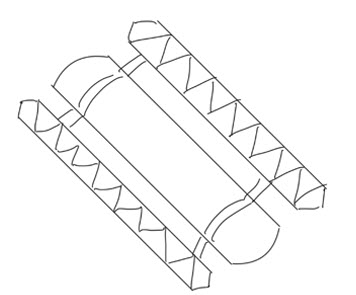
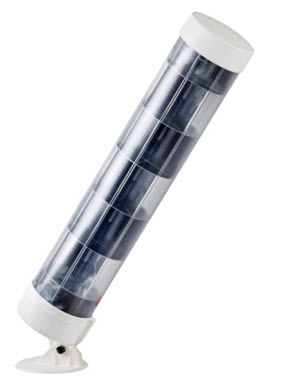
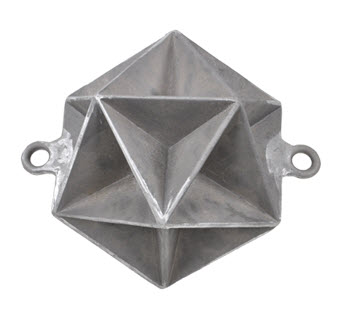
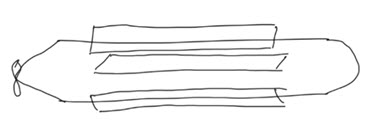
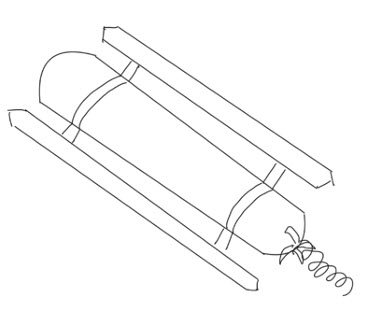
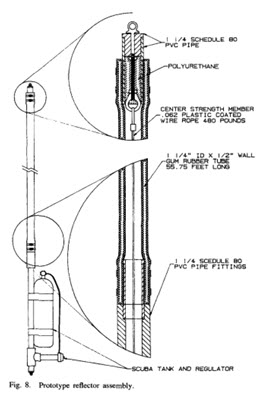
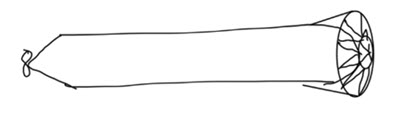
Ideation phase, brainstorming and brainwriting sessions
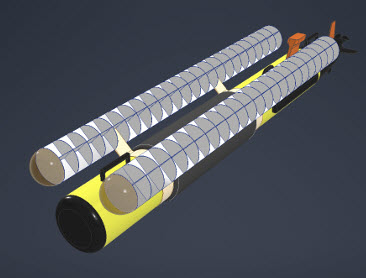
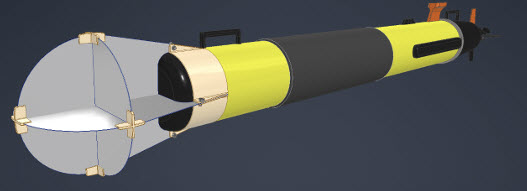
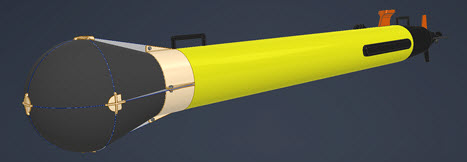
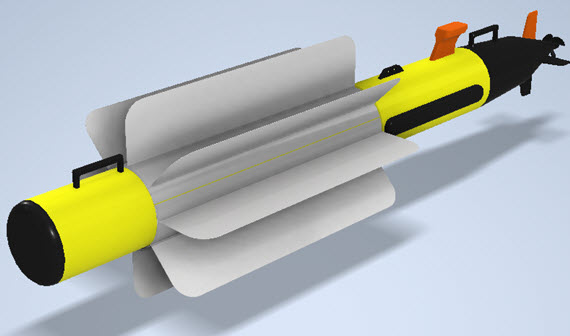
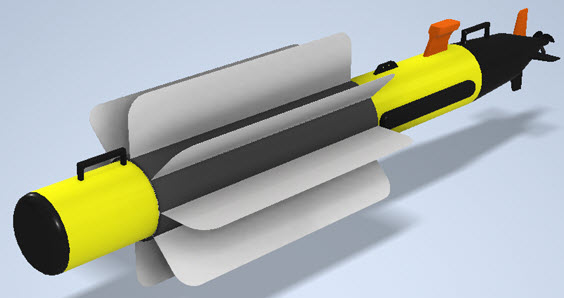
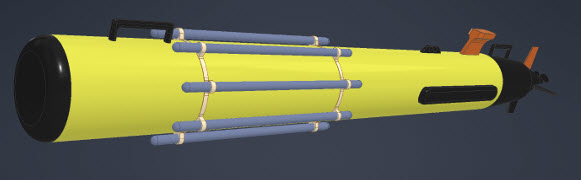
Different prototypes from CAD
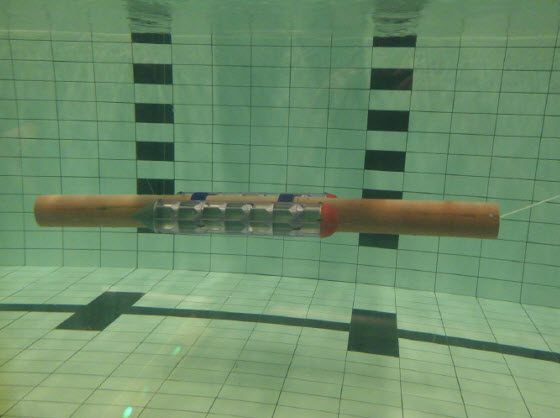
Flow tank drag tests
In collaboration with Embedded art