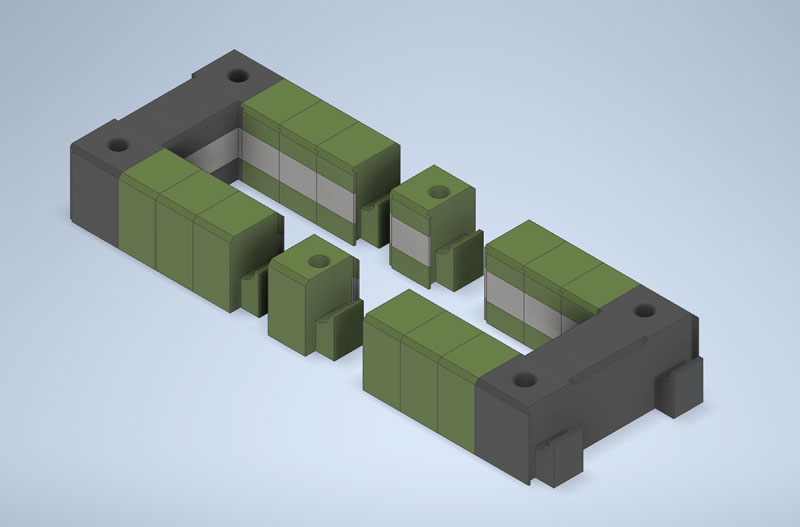
When highly customer specific and specialized products needs quick and easy changes it might produce consequences which affects both the producer and customer negatively.
A modular product could ease the financial burden and shorten increased
time in production by offering a product which can be refined by a reseller close to the customer or by the customer themselves. This thesis serves as an investigative case study into the methods used for modular product development and how they fare against the case of highly specialized products. The first aim of this thesis is
then the development of a modular product concept. The product is a cable sealing solution with the goal of protecting cabinets or act as a seal between two spaces, blocking from hazardous environments, liquids, dust and in some cases even fire. The second aim is to review the development and formulate a guideline to be available for third-party entities who themselves searches for a way of making modular products which does not necessarily fulfill the requirements for the typical methods used in Modular Product Development.
The study showed that using something like Modular Function Deployment as a
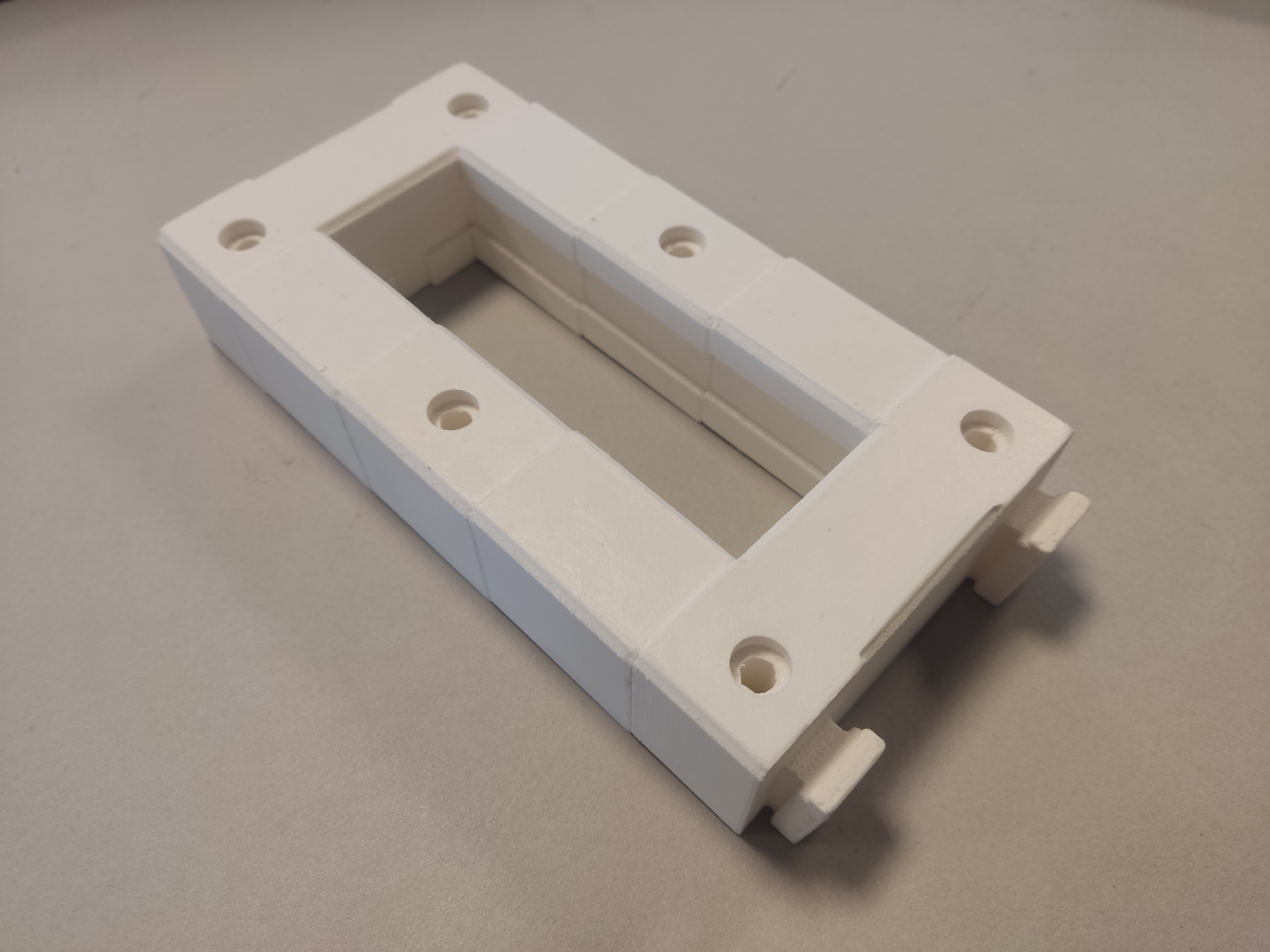
framework and the tools with methods mentioned in regards of Modular Product Development is not suited for dealing with products that have the same basic functionality but share no physical commonality. For this, Participatory Action Research and Agile Product Development are shown to be far better suited. The result are three concepts, two of which were considered interesting and made into functioning prototypes for testing ingress protection using standardized IP-tests for liquids.
By Sven Odin & Gustav Åsard



Cooperation with

 BTH Innovation Labs